Sea Turtle Conservancy

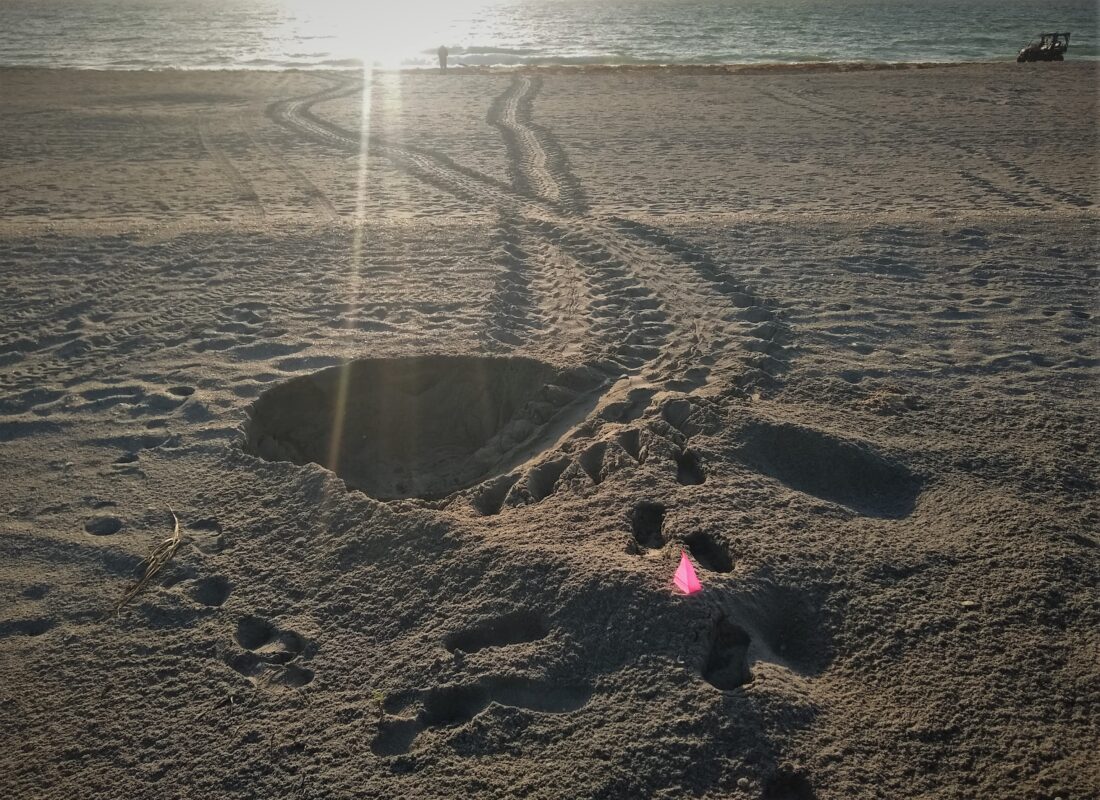
Sea turtle nest being surveyed on the beach (Photo: David Thompson / USGS, public domain)

Founded in 1959 by pioneering sea turtle biologist Dr. Archie Carr, the Sea Turtle Conservancy (formerly the Caribbean Conservation Corporation) is the world’s oldest sea turtle research and conservation organization — with more than 60 years of continuous work behind it.

Where they work

STC’s flagship long-term research program is based in Tortuguero, Costa Rica, one of the most important green sea turtle nesting sites in the Western Hemisphere. The organization also runs programs in Panama’s Bocas del Toro, the Bahamas’ Exuma islands, Bermuda, and along the Florida coastline.

What they do

  • Scientific research and satellite tracking of sea turtle populations
  • In-water field research across multiple countries
  • Educational outreach and experiential public programs
  • Policy advocacy at the state, national, and international level
  • Beachfront lighting initiatives to protect nesting sites from artificial light

STC’s research has produced much of what is now known about sea turtle biology and the threats turtles face — establishing it as a global authority in the field.
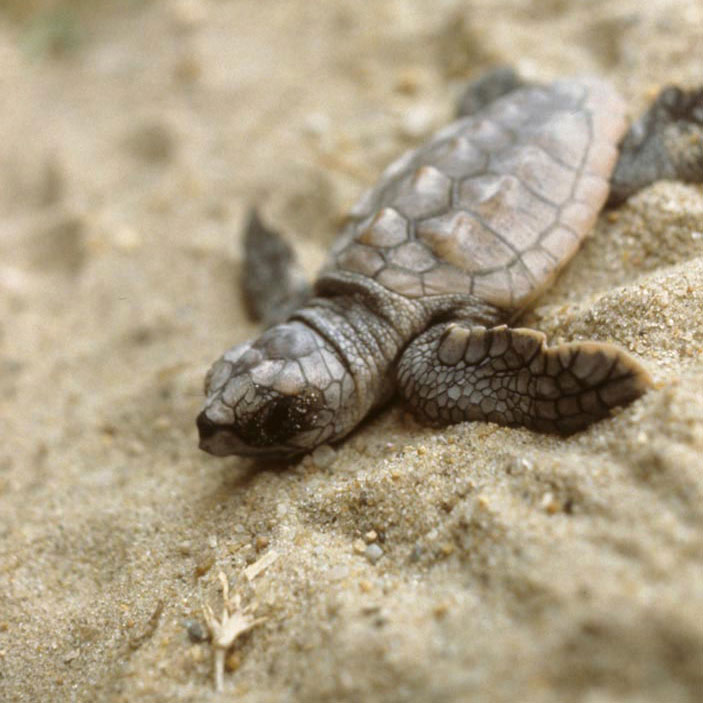
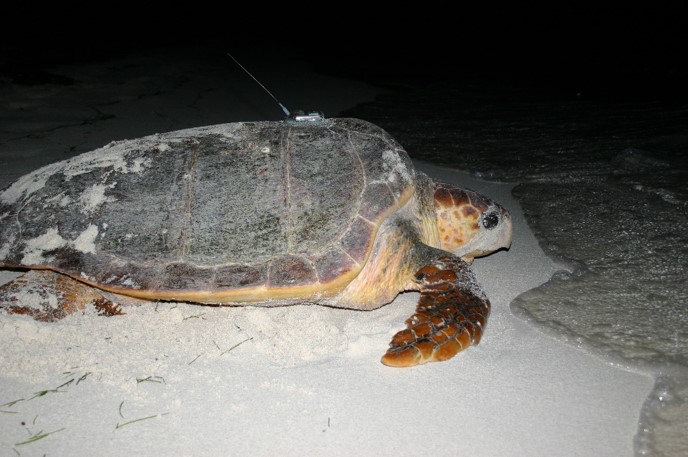
WIDECAST — Wider Caribbean Sea Turtle Conservation Network

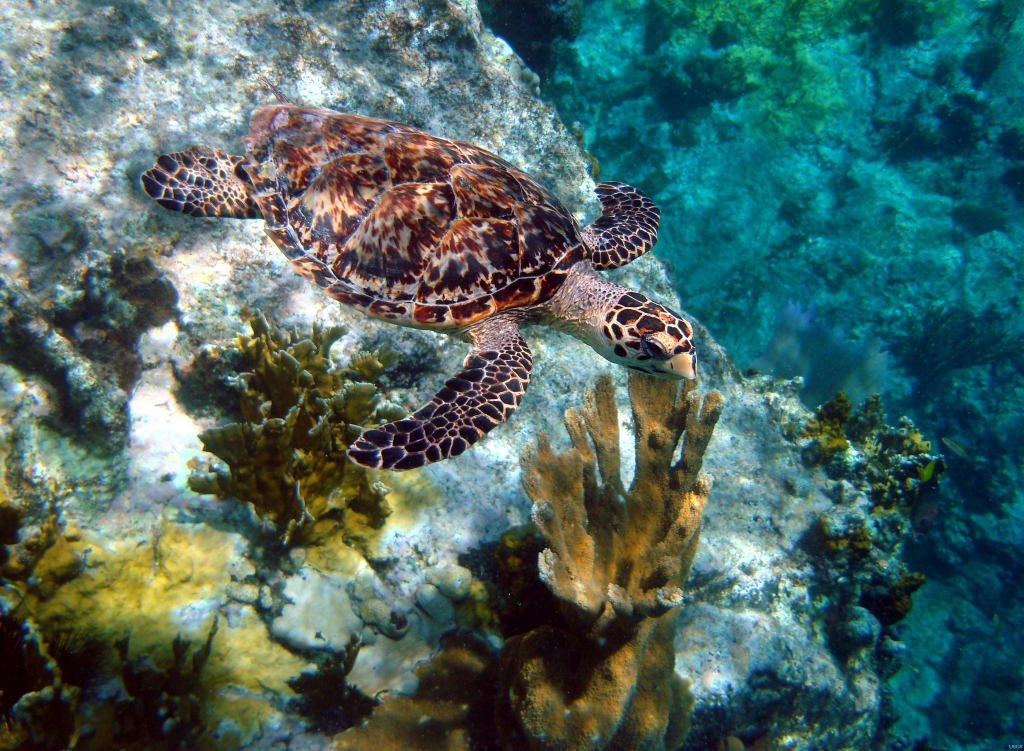
Hawksbill sea turtle swimming over elkhorn coral, St. John, US Virgin Islands (Photo: Caroline Rogers / USGS, public domain)

WIDECAST facilitates a region-wide capacity to recover and sustainably manage depleted sea turtle populations across the Wider Caribbean — balancing ecological, economic, socio-cultural, and spiritual needs without compromising future populations.

How the network operates

WIDECAST is a volunteer coalition of experts, with country-specific coordinators facilitating local implementation across more than 40 nations and territories. It’s supported by institutional partners including Ross University School of Veterinary Medicine.

Key programs

  • Population monitoring and research through a Regional Tagging Centre
  • Development and maintenance of a Nesting Beach Atlas
  • National Recovery Plans tailored to individual territories
  • Mitigating threats: fishing bycatch, coastal development, marine debris, and climate change
  • Ecotourism program development and professional training
  • Marine medicine and sea turtle health documentation

WIDECAST is distinctive in how it blends scientific expertise with stakeholder voices — engaging fishers, coastal communities, tourism operators, and governments in building conservation approaches everyone can sustain.


MarAlliance

Hawksbill sea turtle swimming over elkhorn coral, St. John, US Virgin Islands (Photo: Caroline Rogers / USGS, public domain)

MarAlliance is a marine conservation organization researching and monitoring sea turtles alongside sharks, rays, and other marine megafauna across Central America and the Caribbean. Its work combines field surveys, tagging, and community engagement to build the scientific case for protecting migratory marine species that cross national boundaries.

Because MarAlliance’s work spans both the Caribbean coastline and Central American waters, it’s a useful bridge between the two regions this site spotlights. Visit their website for current project details and ways to get involved.