LAST — Latin American Sea Turtles Association

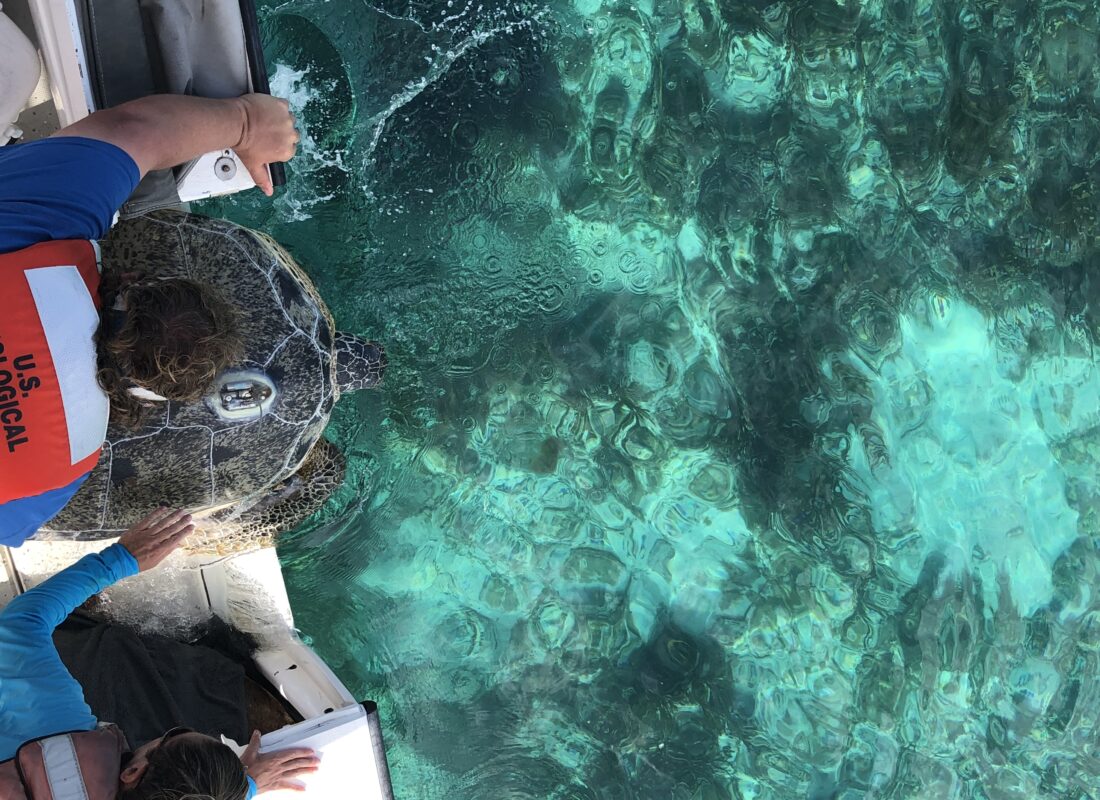
Researchers releasing a satellite-tagged green sea turtle (Photo: Andrew Crowder / USGS, public domain)

LAST (Latin American Sea Turtles Association) envisions “a future where all inhabitants of the Costa Rican coasts, human and sea turtle alike, can live together in balance.” For nearly three decades, the organization has worked directly with Costa Rican sea turtle populations.

What they do

  • Population management and monitoring of nesting sea turtles
  • Community-centered conservation initiatives
  • Coastal habitat management
  • Volunteer-supported field research

LAST integrates both ecological restoration and economic opportunity into its model — recognizing that lasting conservation has to work for coastal communities, not just for turtles.
Projeto TAMAR

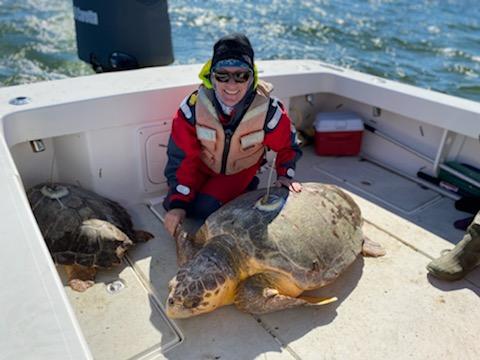
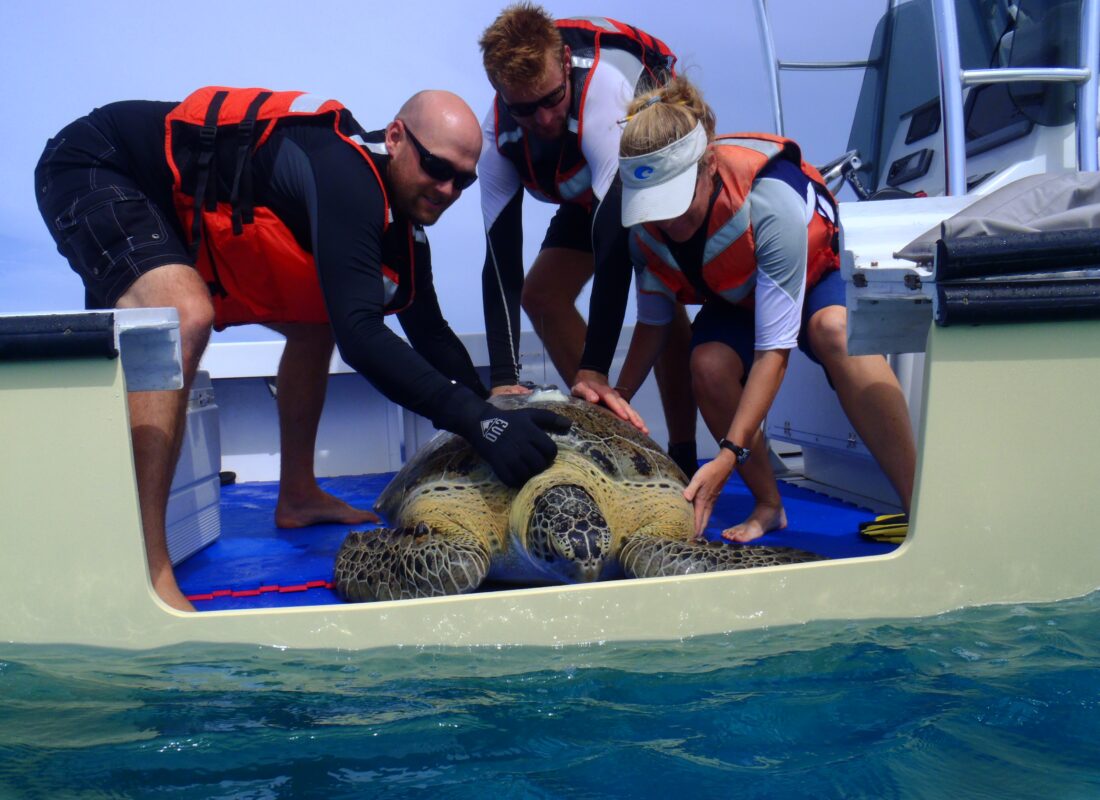
Sea turtles being returned to the water (Photo: Jackie Guzy / USGS, public domain)

Projeto TAMAR is Brazil’s national sea turtle conservation program, dedicated to building comprehensive scientific knowledge of marine turtle biology in Brazilian waters and turning that knowledge into applied conservation.

Scope

TAMAR is the only program on this list working with all five sea turtle species found in Brazil: loggerhead, hawksbill, leatherback, green, and olive ridley. It operates visitor centers across eight locations spanning thousands of kilometers of Brazilian coastline, including Fernando de Noronha, Praia do Forte, Aracaju, Vitória, Ubatuba, and Florianópolis.

Programs

  • Applied research supporting conservation decision-making
  • Collaboration with fishing communities to reduce bycatch
  • Satellite telemetry and movement tracking
  • Environmental education and social inclusion programs

Through publications, radio and television programming, and a wide partner network, TAMAR extends its reach deep into Brazil’s coastal communities.


Grupo Tortuguero de las Californias

Green sea turtle being released back to the sea (Photo: USGS, public domain)

Grupo Tortuguero de las Californias is a civil association uniting fishermen, academics, volunteers, students, and community members around a shared vision: combining scientific knowledge with local ecological knowledge to protect sea turtles across Mexico’s Baja California peninsula.

How it started

The movement traces back to 1992, growing out of PhD field research by marine biologists Wallace J. Nichols and Jeff A. Seminoff. What began as a research project evolved into a 25+ year, community-led movement — formally established as a civil association in 2007.

Where they work

The network operates across six primary communities on the Baja California peninsula: Bahía de los Ángeles, Loreto, San Carlos, San Ignacio, Punta Abreojos, and Laguna Ojo de Liebre.

What they do

  • Water- and land-based population monitoring
  • Environmental education
  • Socio-environmental project development and policy input
  • Annual meetings bringing stakeholders together to share results

It’s a horizontal, community-led model — and one with two and a half decades of documented population recovery to show for it.


COASTS — Costa Rican Alliance for Sea Turtle Conservation & Science

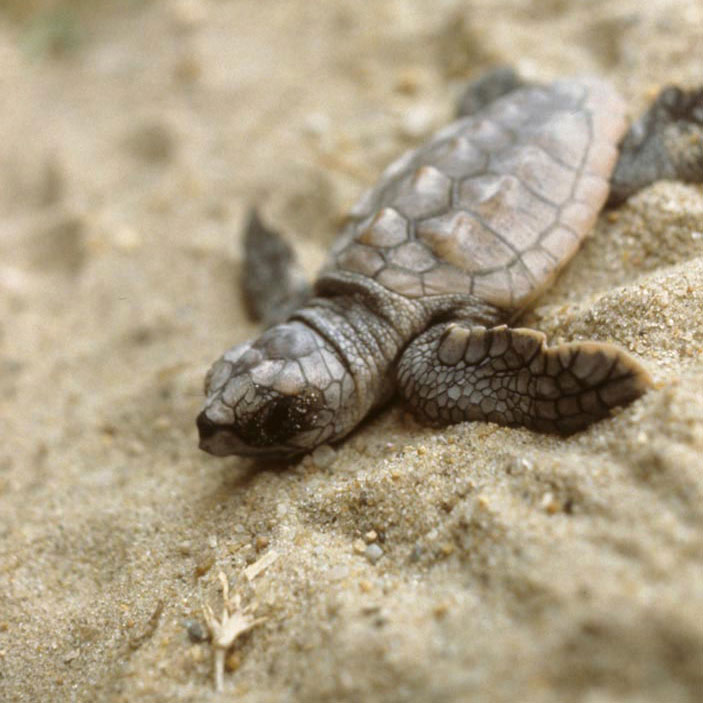
Loggerhead sea turtle hatchling (Photo: USFWS, public domain)

COASTS works on the frontline in Costa Rica, studying and protecting mating, nesting, and feeding sea turtles through a combination of field-based research and direct conservation action.

Impact so far

  • 49,371 turtle hatchlings released
  • 276 female sea turtles protected
  • 7.2 tons of plastic removed from marine environments
  • 7,695 patrol hours logged
  • $158,223 generated for local coastal economies

Partnerships

COASTS collaborates with Costa Rican government agencies — including SINAC and MINAE — as well as international conservation organizations and research institutions across Europe and North America.


MarAlliance

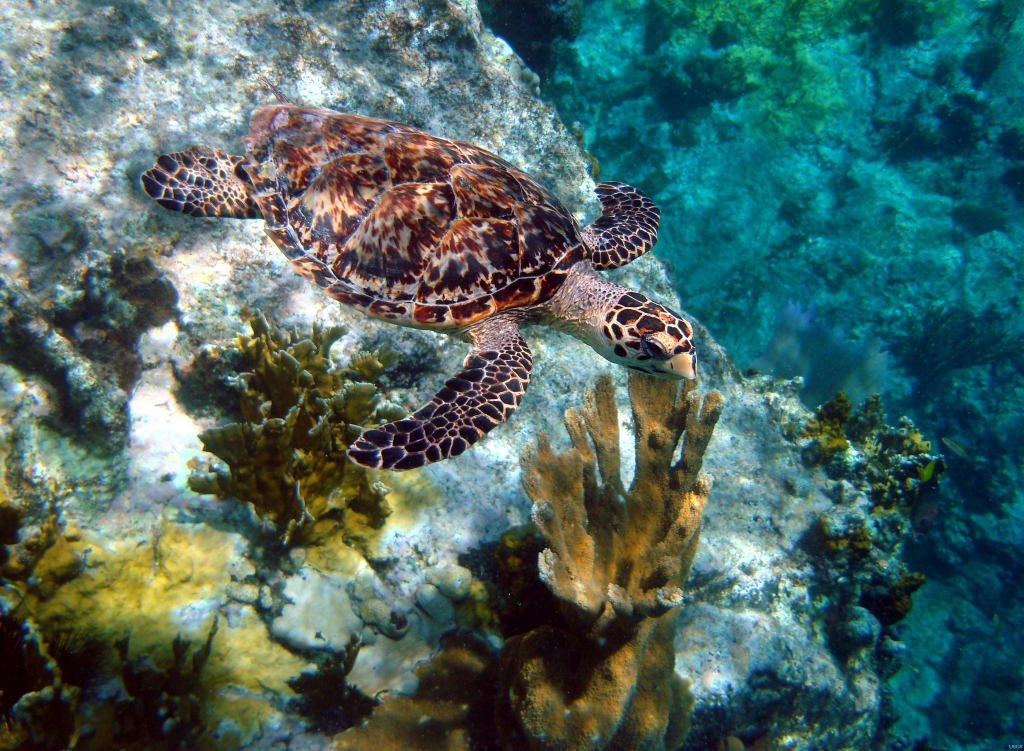
Hawksbill sea turtle swimming over elkhorn coral, St. John, US Virgin Islands (Photo: Caroline Rogers / USGS, public domain)

MarAlliance is a marine conservation organization researching and monitoring sea turtles alongside sharks, rays, and other marine megafauna across Central America and the Caribbean. Its work combines field surveys, tagging, and community engagement to build the scientific case for protecting migratory marine species that cross national boundaries.

Because MarAlliance’s work spans both the Caribbean coastline and Central American waters, it’s a useful bridge between the two regions this site spotlights. Visit their website for current project details and ways to get involved.